Fabric Sample Testing, Colour, and Conversations
Introduction
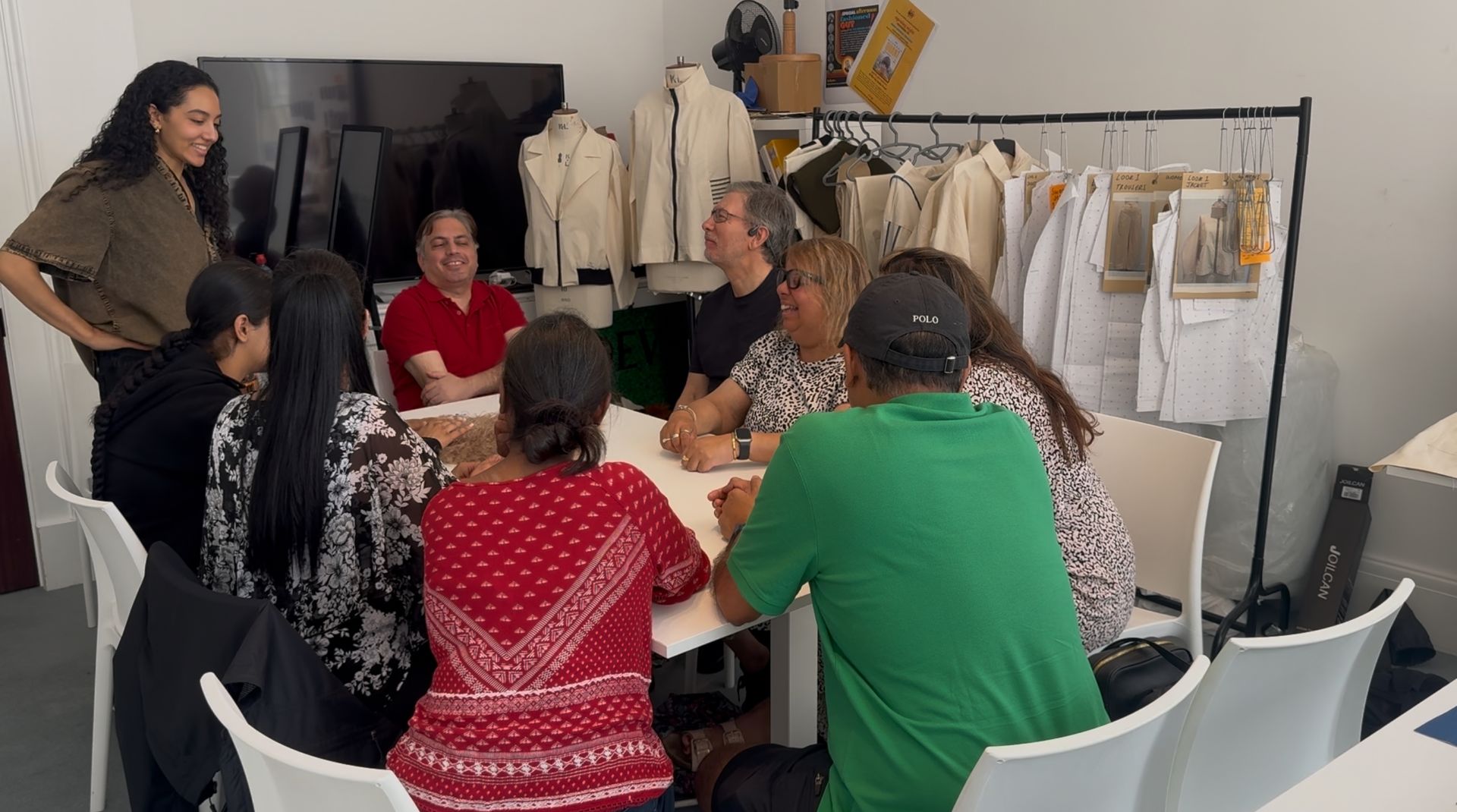
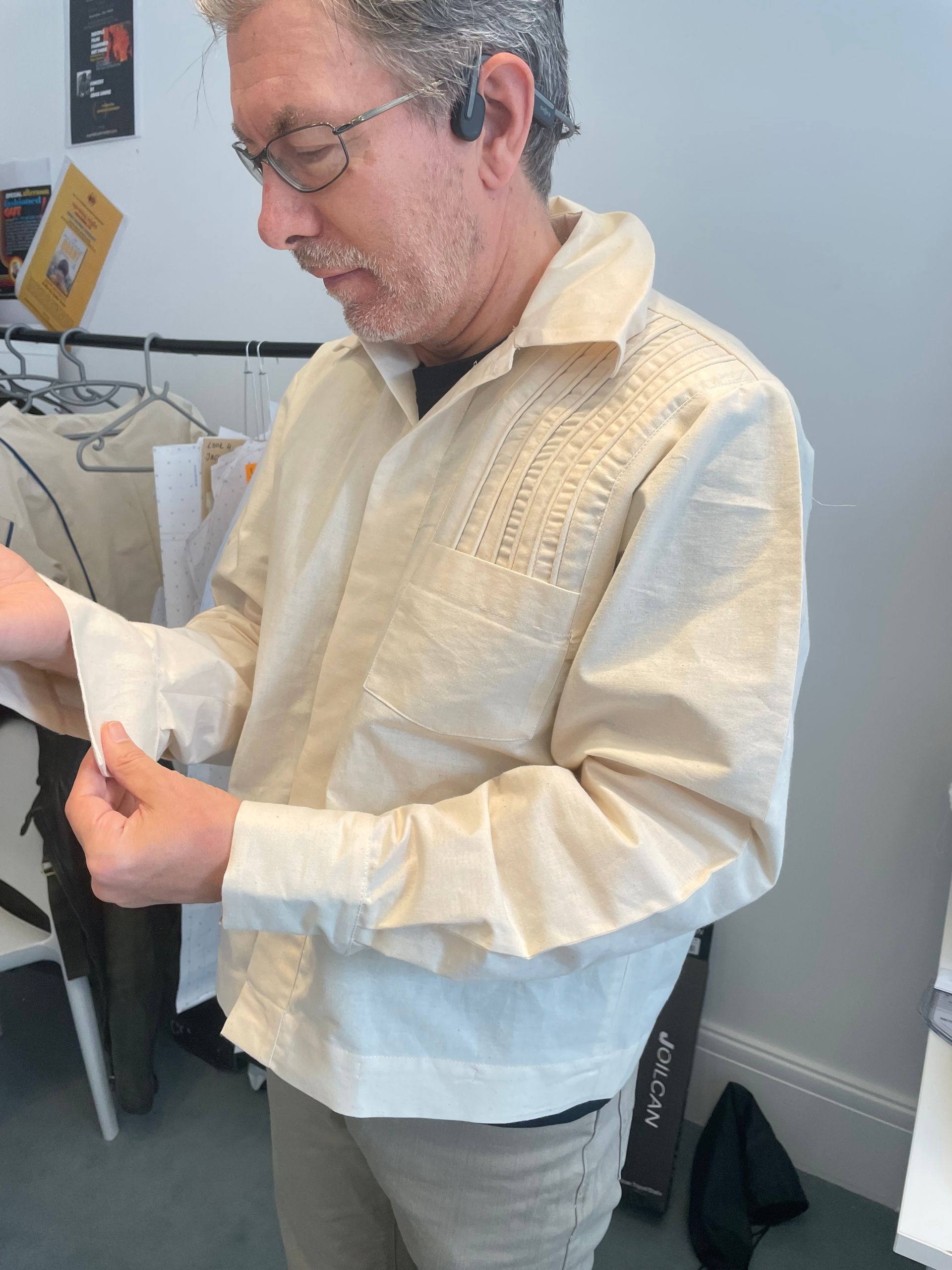
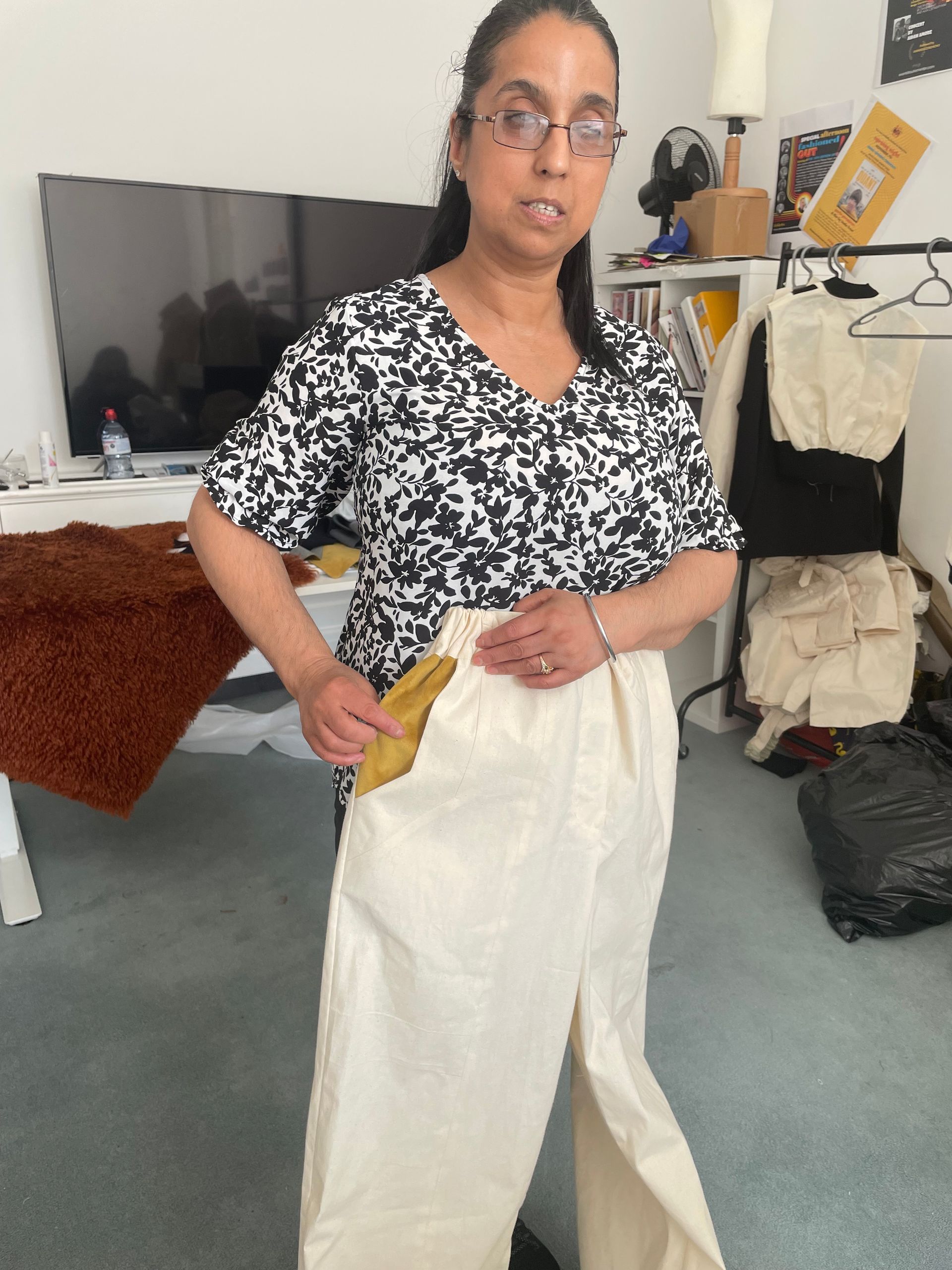
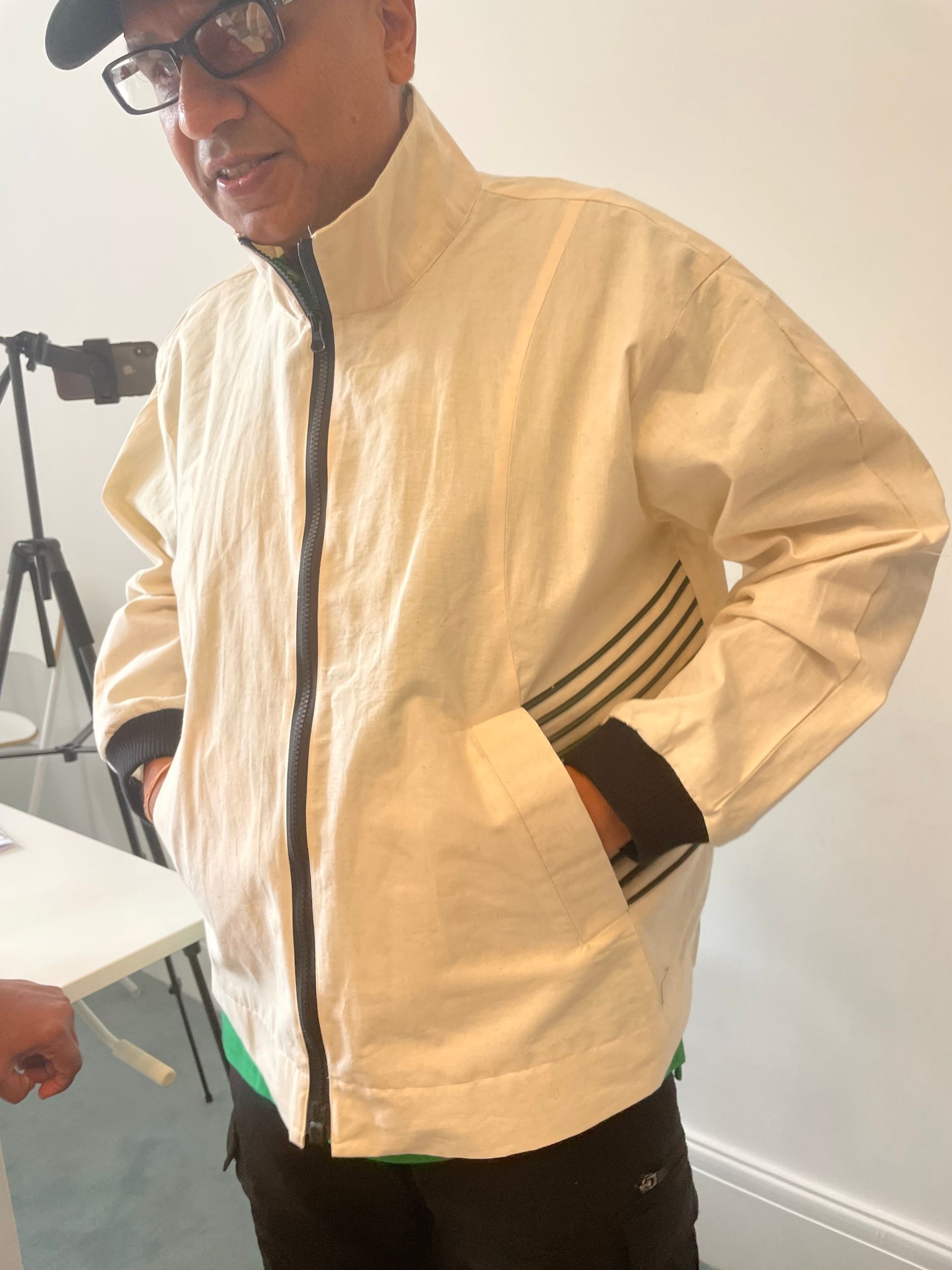
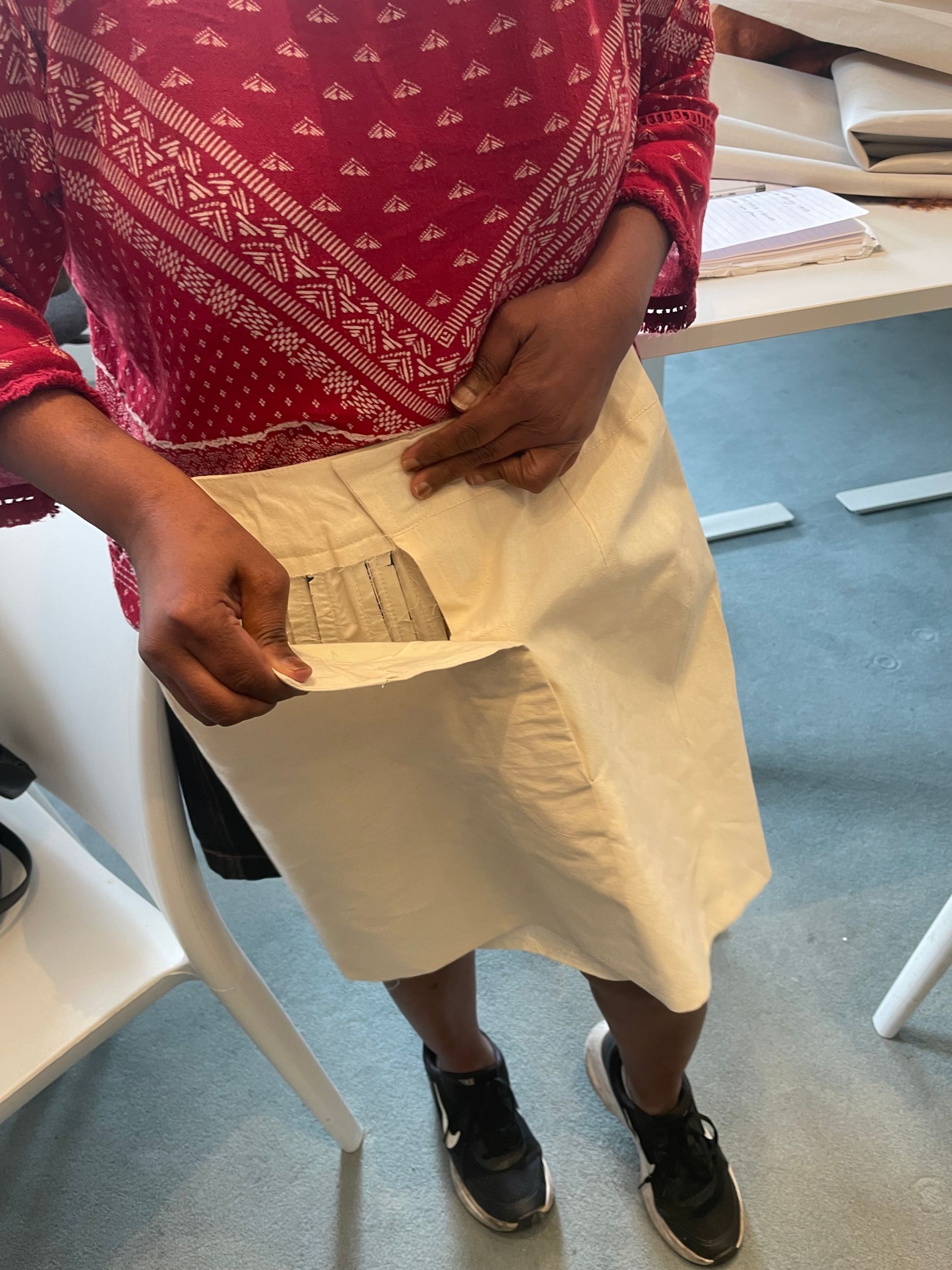
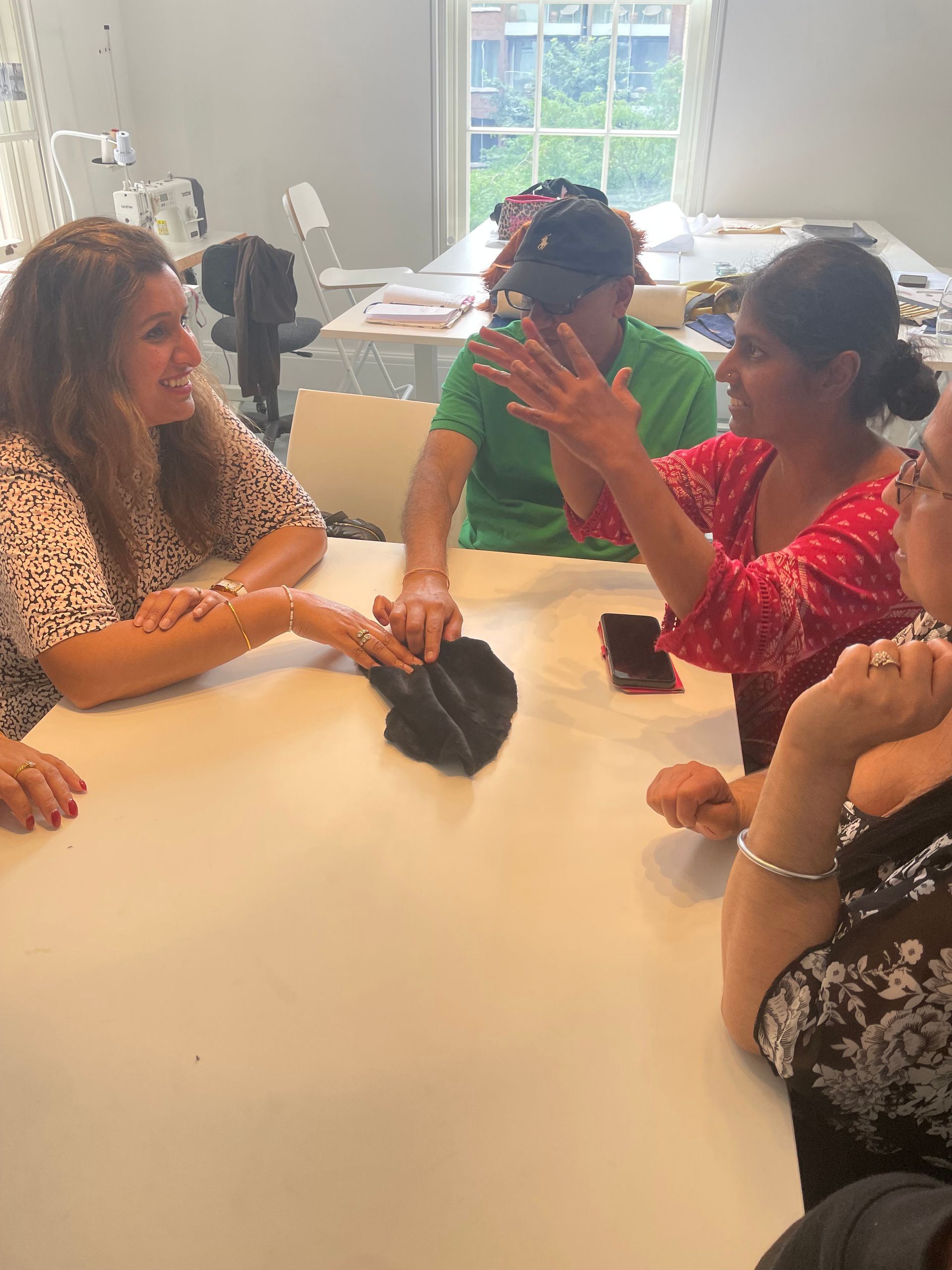
My second focus group took place on 1st August in my studio space at JCA, in collaboration with individuals from the Beyond Sight Loss Charity. The participants were Ashrafia Choudury, Andrew Lamont, Amrit Dhaliwal, Norin Khanna, Sameena Karim, Parish Jotangia, and Shalini Okane.
It was an incredible experience spending time with everyone, hearing their stories, and learning from their perspectives on fashion, accessibility, and personal style. This session gave me a deeper understanding of how my design choices could better support blind and visually impaired individuals.
Starting the Session
I began by introducing myself, explaining my background, describing what I was wearing, and sharing what my brand represents. I then outlined the plan for the session, which included exploring a variety of fabric samples and garment toiles. With seven participants, it was exciting to hear such a wide range of opinions and lived experiences.
Fabric Exploration & Tactile Feedback
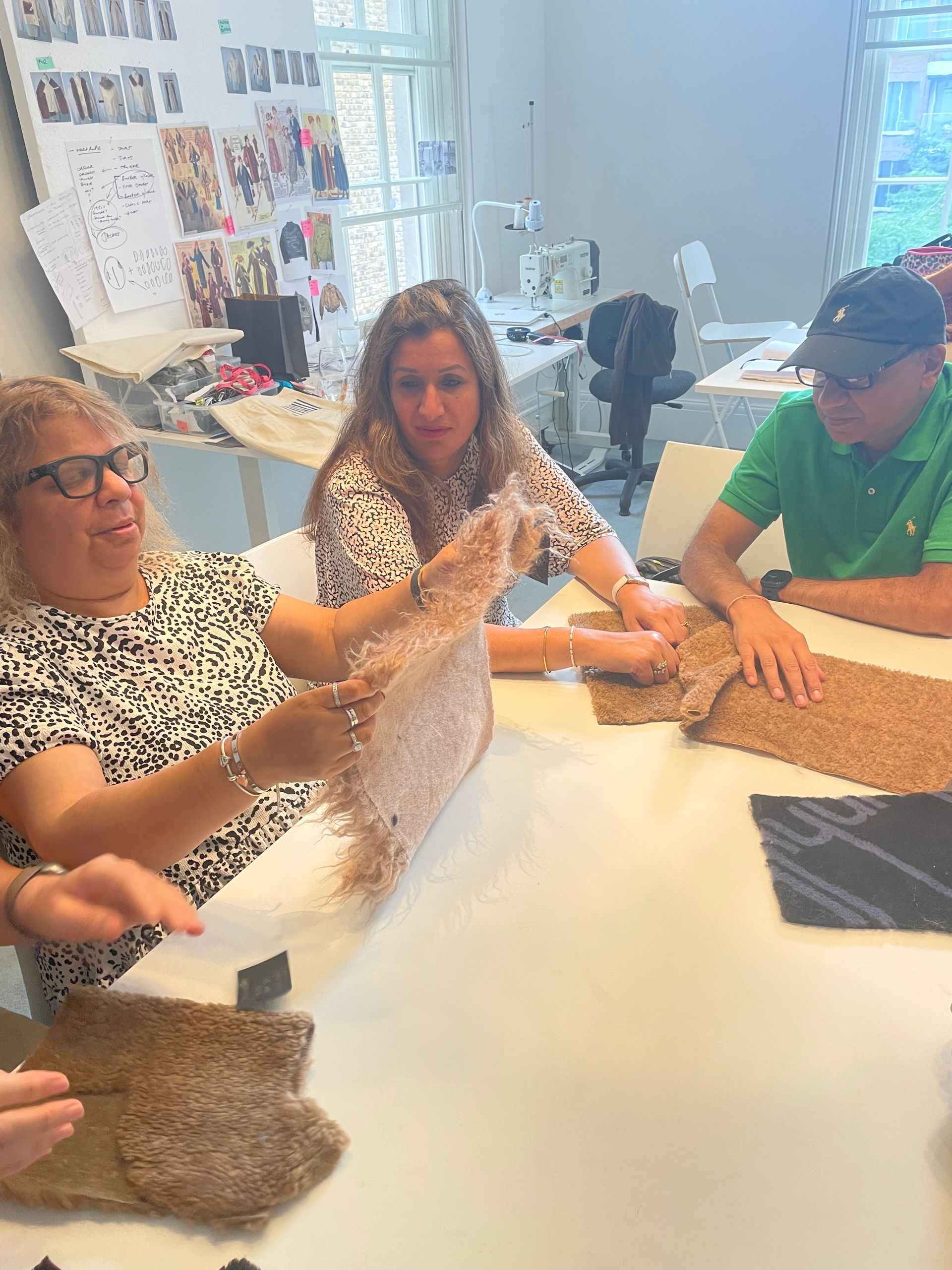
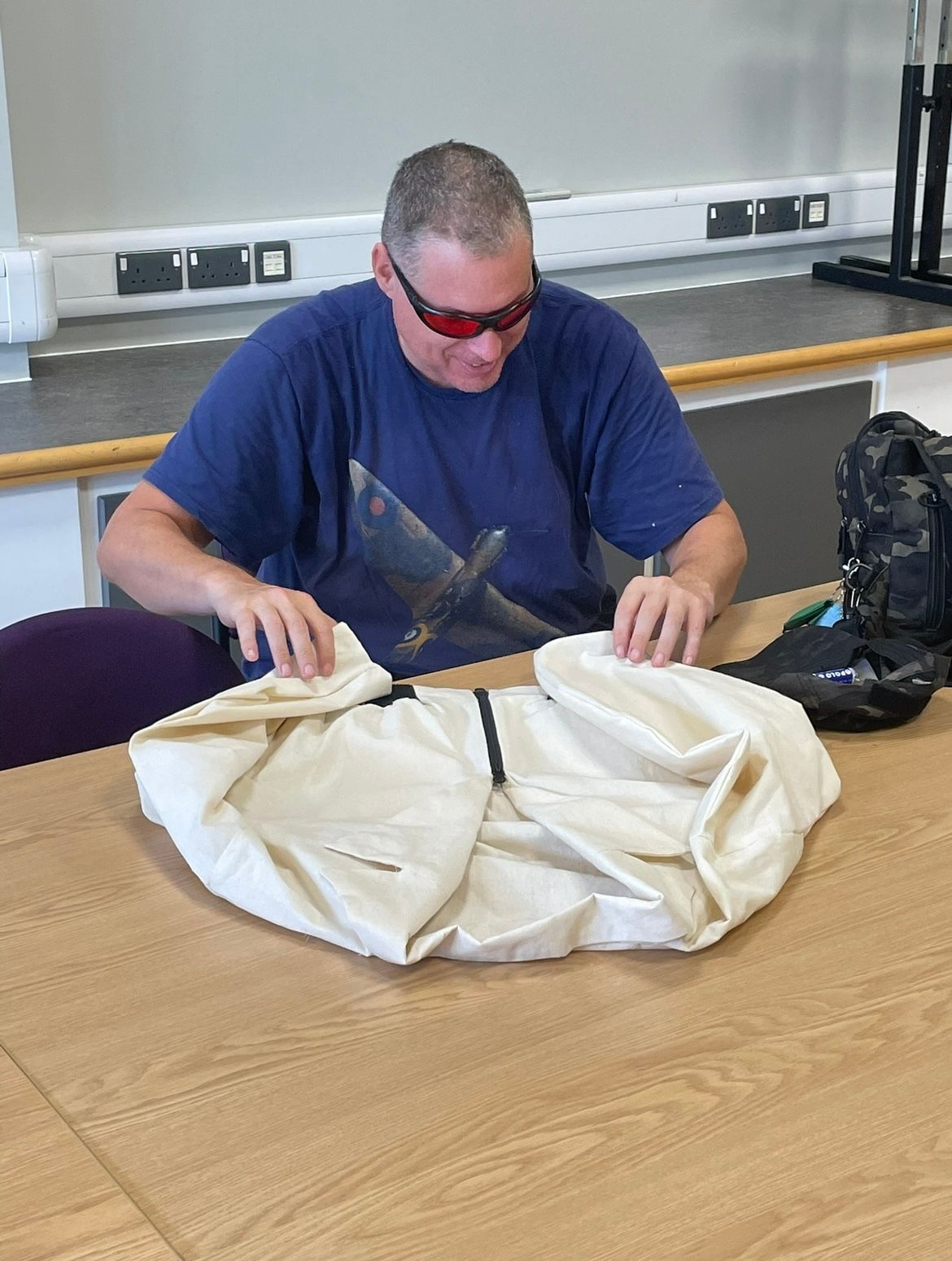
The first fabric shown was the burnt orange faux fur, which received an immediate and very positive reaction. Participants described it as soft, warm, and comforting, perfect for winter. This led to a discussion about colour theory, skin tones, and how creating multiple colour variations could make the garments more inclusive for different complexions.
We explored ways faux fur could be used beyond the main fabric, such as lining, pocket detailing, or reversible options. Participants also suggested incorporating hoods, as umbrellas can be impractical for those who use a cane.
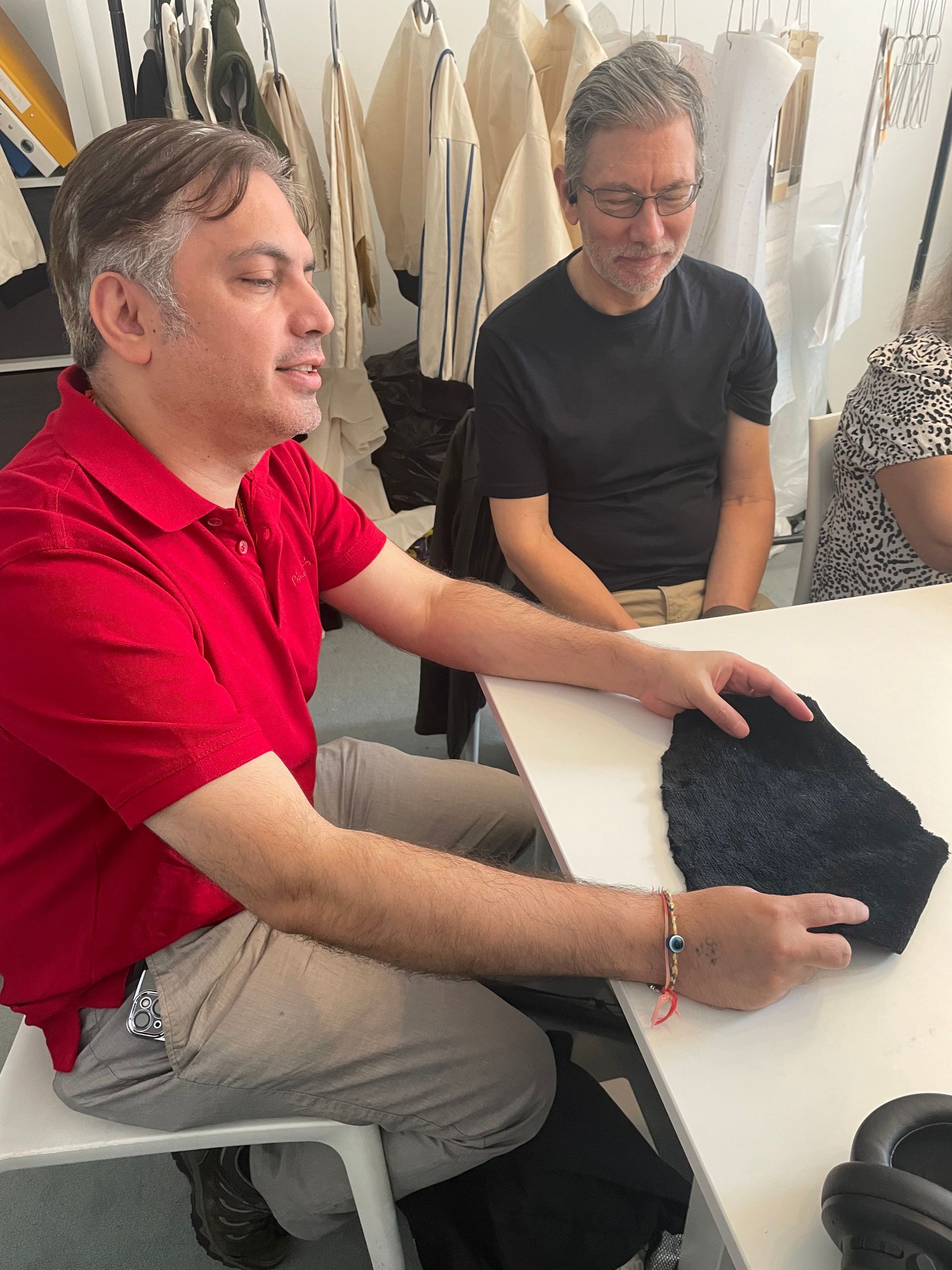
We then moved on to shaved sheep and lamb fur samples in light brown, dark brown, and black. Everyone enjoyed comparing the different pile lengths and textures. This naturally led into a wider conversation about tactile patterns and the importance of incorporating textures like embroidery, beading, fur accents, and embossed details so that patterns can be appreciated through touch.
Additional fabrics were tested, including:
- Black Alpen fleece, described as soft, cosy, and perfect for winter
- Navy wool, which was thought to be too itchy
- Mustard moleskin, praised for its smooth, premium feel especially when used as tactile piping
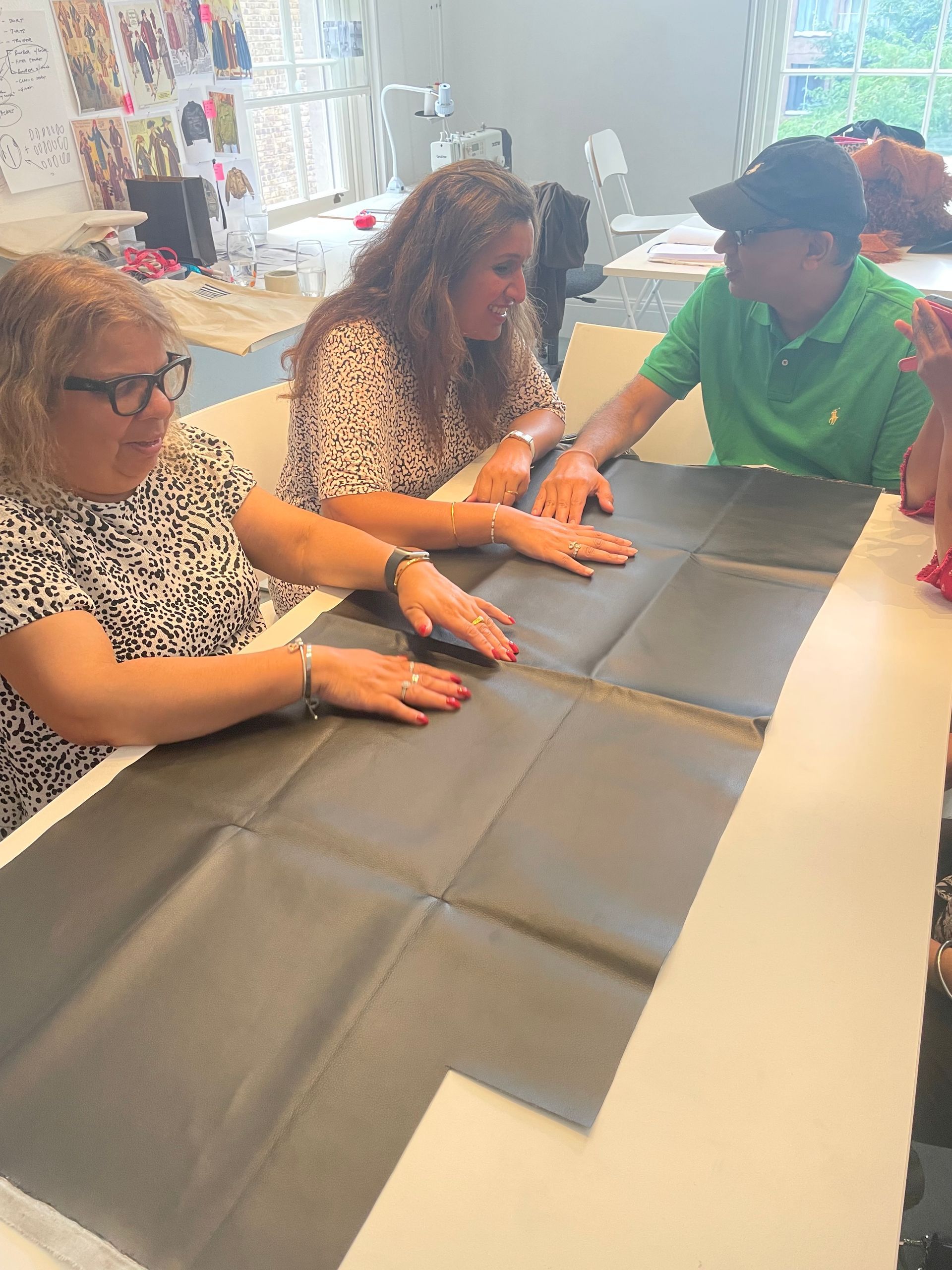
- Black and blue leatherette, appreciated for being waterproof and crease-free
- Structured polyester piping, better suited to accessories than clothing
This section of the session also opened a discussion about integrating
QR codes into garments to provide accessible information such as washing instructions, garment descriptions, and audio notes.
Participants were very supportive when I shared my long-term goal of using the brand to support charitable causes.